
Installation Examples
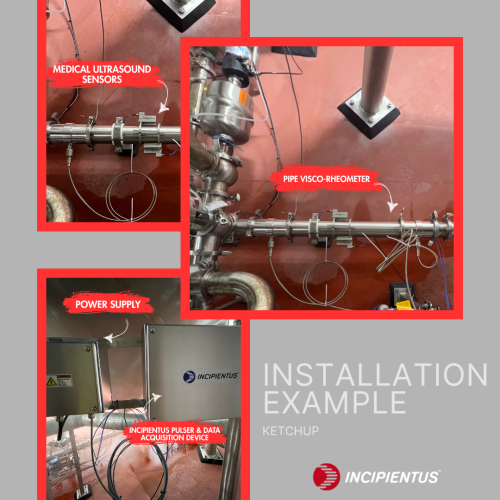
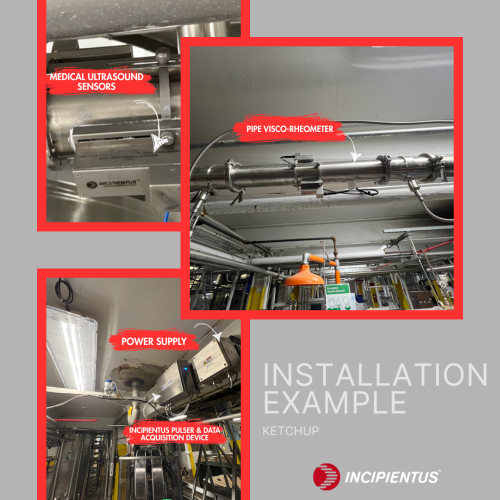
Explore examples of Incipientus technology installed directly into industrial production environments. Each installation demonstrates how inline rheology measurement can be integrated into existing processes while supporting improved monitoring, consistency and process control.
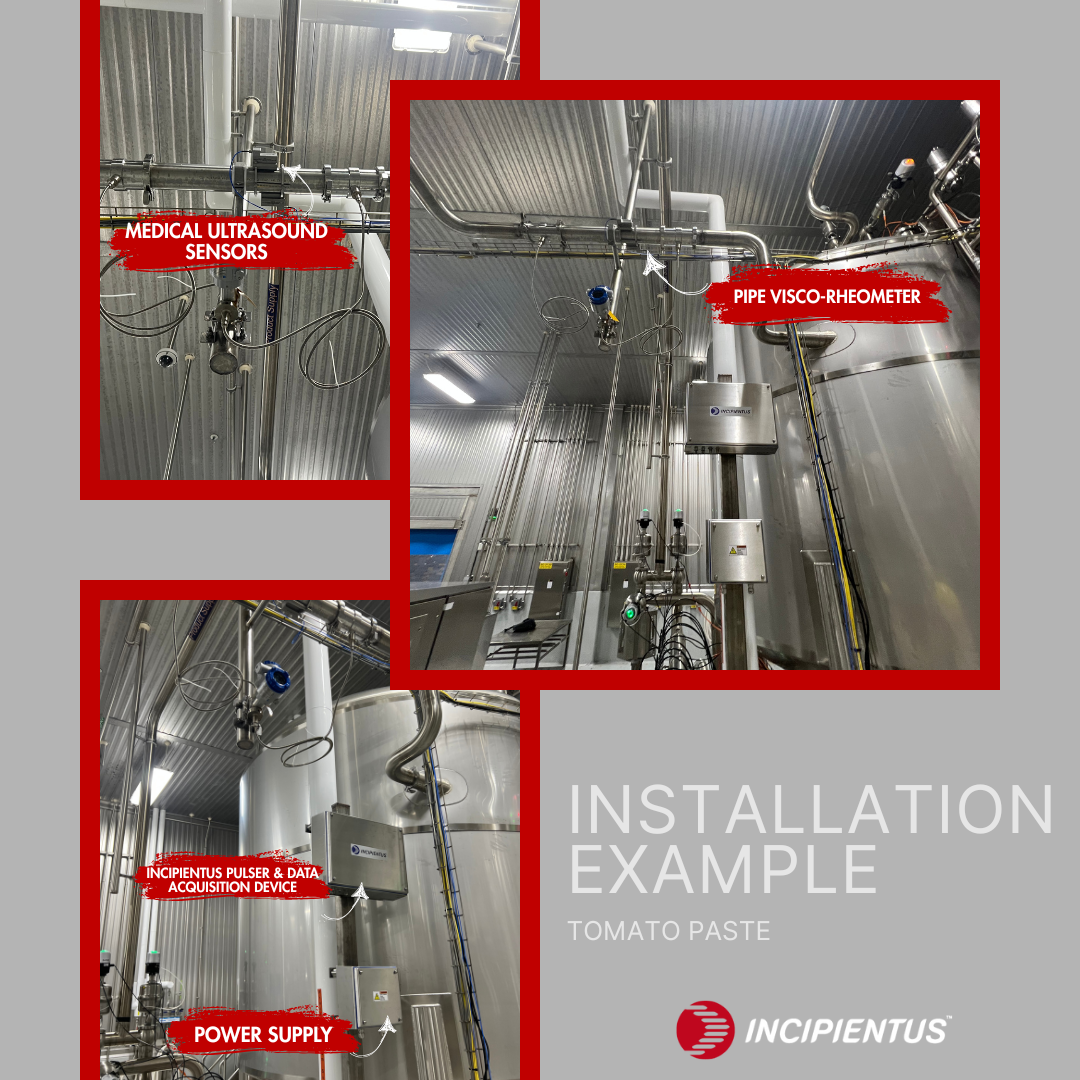
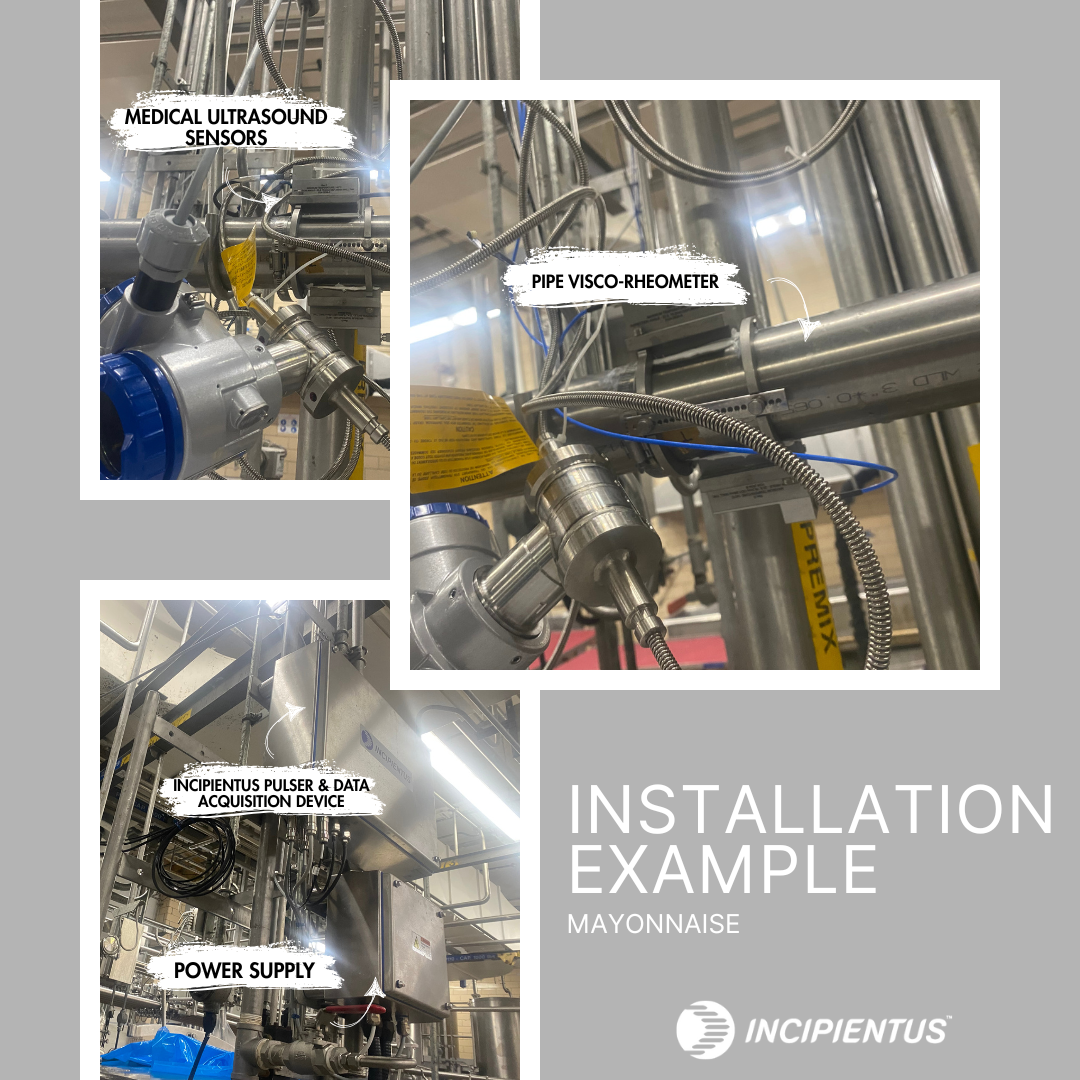
Technology integrated into real production lines.
From viscous food products to fermentation processes, these installations illustrate how Incipientus measurement technology can be incorporated into industrial piping and production environments without disrupting the overall process.
Mayonnaise
Problem
Mayonnaise production combines oils, egg-based ingredients and other organic materials that can leave difficult residues throughout tanks, pipes, valves and filling equipment. Consistent hygiene is therefore critical for maintaining food safety, product quality and reliable production.
Solution
A structured cleaning programme combining manual procedures with automated Clean-in-Place processes helps remove oils, proteins and product residue.
- Flush equipment to remove product residue.
- Use suitable food-grade cleaning agents.
- Focus on valves, seals and other critical areas.
- Complete final rinsing and inspection.
Potential Savings
- Reduced contamination-related downtime.
- Lower product waste and rejected batches.
- Improved production efficiency.
- Longer equipment service life.
- Reduced risk of costly quality incidents.
Ketchup
Problem
Tomato solids, sugars, vinegar and seasonings can create persistent residue inside ketchup production equipment. If these deposits remain in tanks, pipelines or filling systems they may affect hygiene, flavour, texture and overall product consistency.
Solution
Effective sanitation combines controlled CIP procedures with inspection and targeted manual cleaning where required.
- Remove tomato and sugar residue using flushing.
- Apply appropriate food-grade detergents.
- Inspect valves, nozzles and seals carefully.
- Complete a clean final rinse.
Potential Savings
- Less product loss and spoilage.
- Reduced residue-related maintenance.
- Improved production uptime.
- More consistent finished product quality.
- Reduced food-safety and recall risk.
Installation Gallery
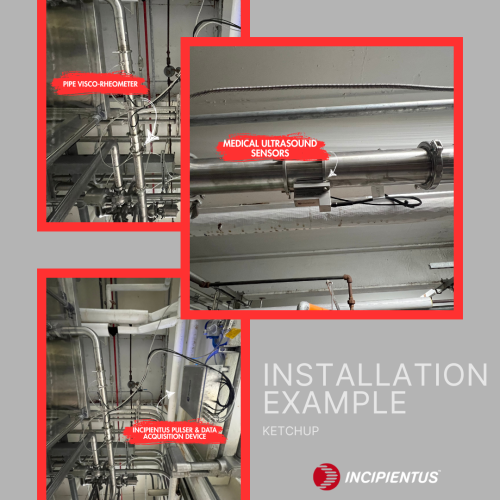
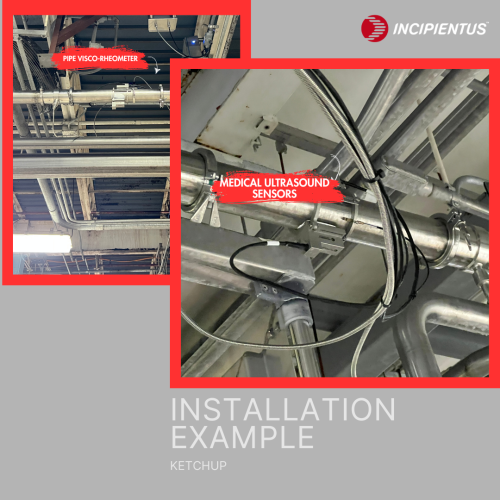
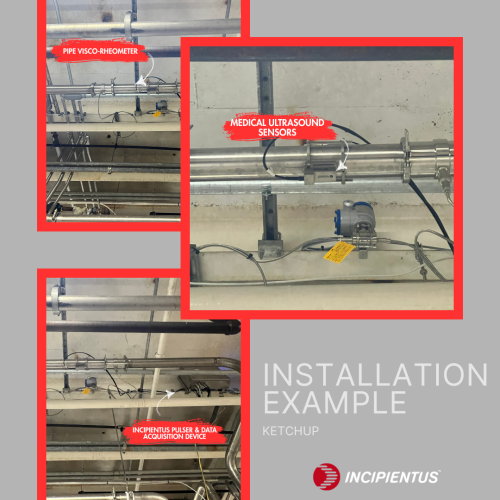
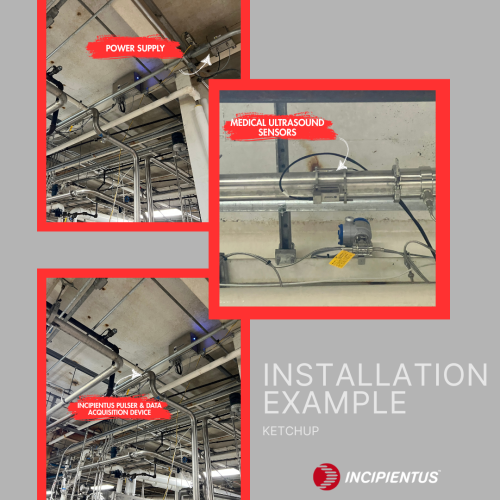
Tomato Paste
Problem
Tomato paste is highly viscous and naturally adheres to process surfaces. Pulp, sugars and solids can accumulate in mixers, evaporators, piping and storage systems, making effective cleaning essential for maintaining product consistency and hygiene.
Solution
A combination of CIP and targeted manual cleaning can remove dense product residues while maintaining reliable sanitation throughout the production line.
- Flush away bulk tomato material.
- Break down remaining organic residue.
- Clean difficult valves, seals and connections.
- Inspect after the final rinse.
Potential Savings
- Lower product loss.
- Reduced residue and equipment wear.
- Shorter cleaning interruptions.
- Improved product consistency.
- Reduced rework and quality-related costs.
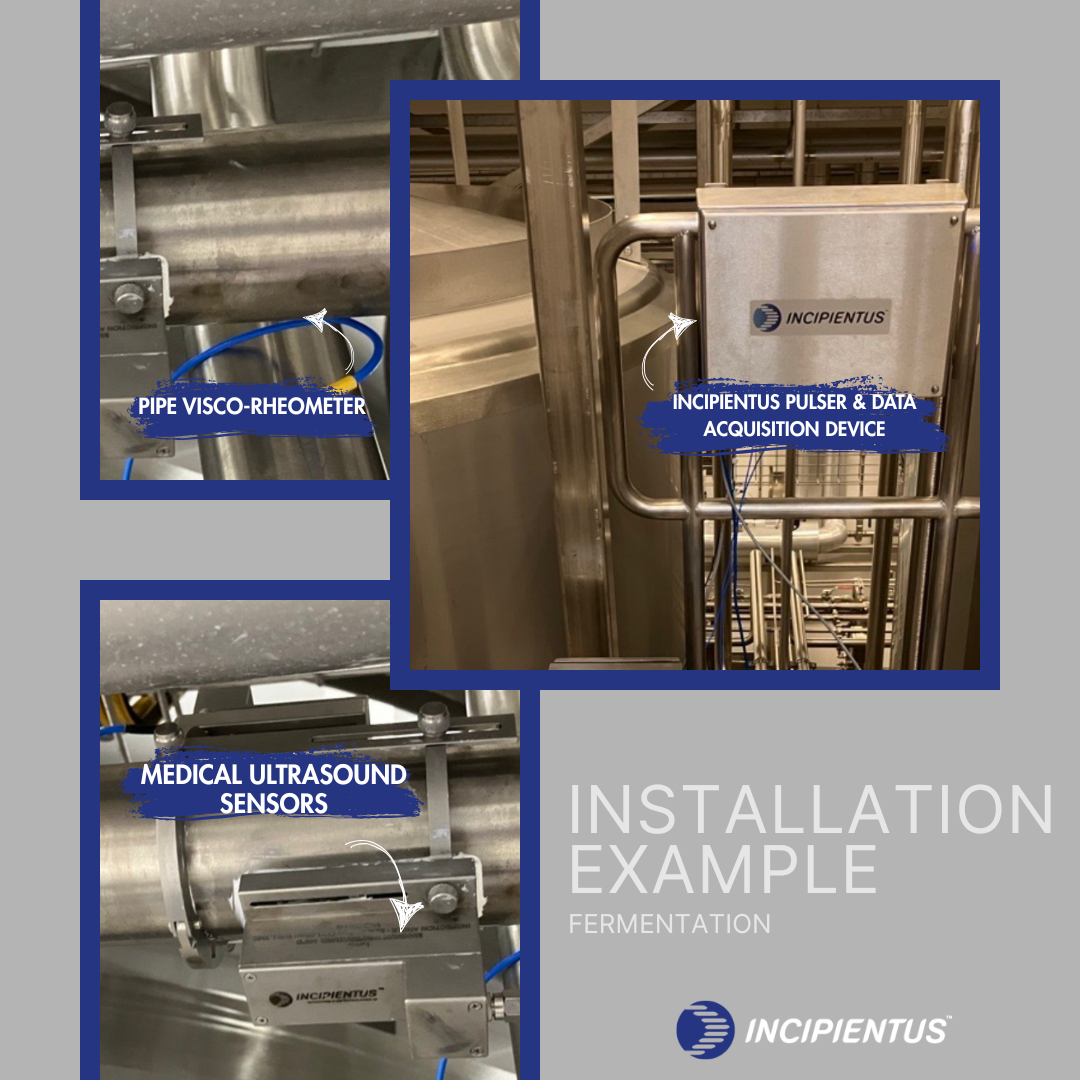
Fermentation
Problem
Fermentation environments contain active microorganisms and nutrient-rich materials. Contamination or unwanted residue inside fermenters, pipes and valves can interfere with process stability, yield and final product quality.
Solution
Controlled sanitation procedures and consistent cleaning schedules help maintain a predictable fermentation environment.
- Flush fermenters and production pipework.
- Remove biofilm and organic deposits.
- Clean critical seals, valves and connections.
- Verify cleanliness after each cycle.
Potential Savings
- Reduced failed or contaminated batches.
- Improved process consistency and yield.
- Fewer unplanned production interruptions.
- Longer equipment lifespan.
- Improved quality control.
Peanut Butter
Problem
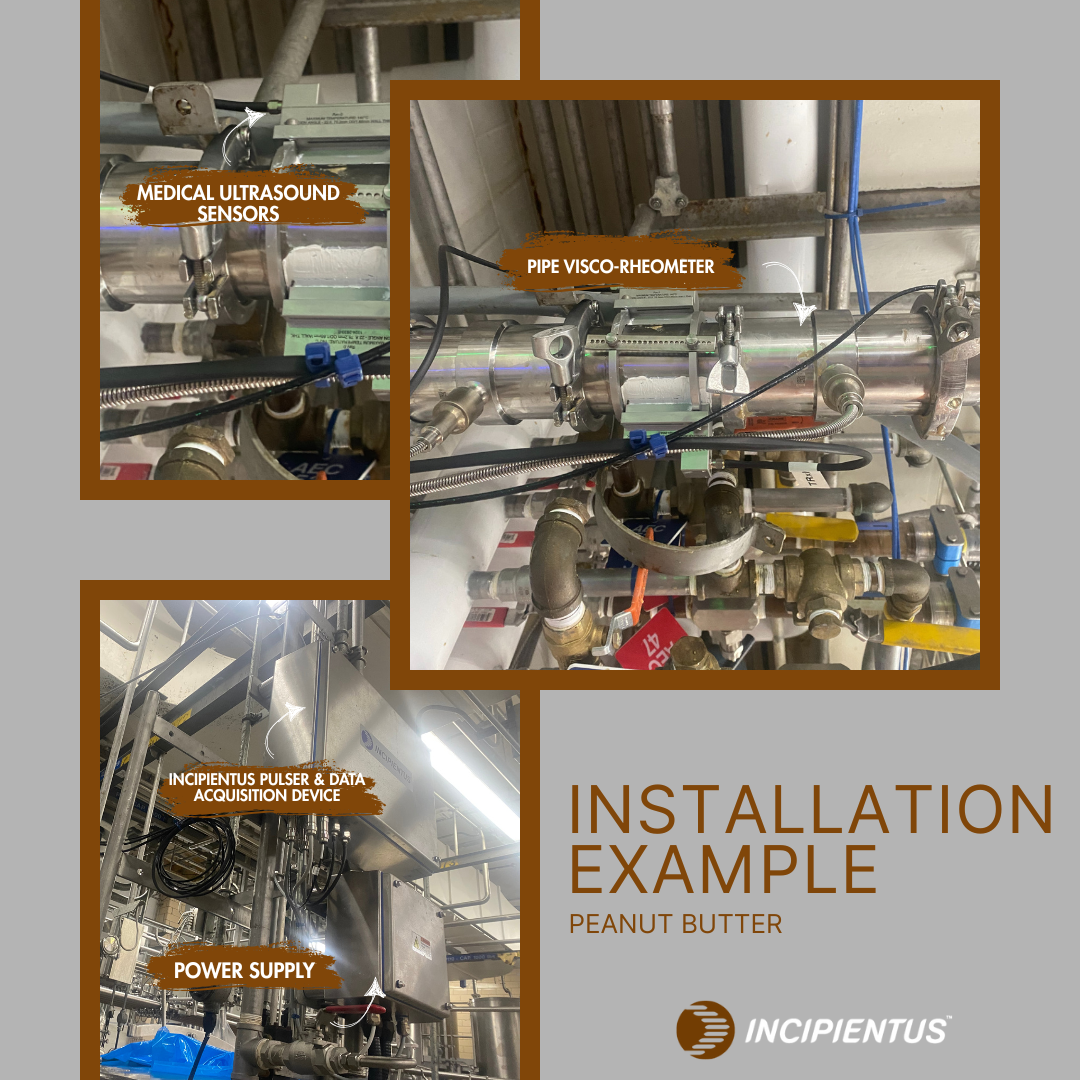
Peanut butter is thick, oily and adhesive, making residues particularly difficult to remove from grinders, mixers, pipes and storage equipment. Inadequate cleaning can influence quality and also create allergen-control concerns between production runs.
Solution
Cleaning procedures designed specifically for oily food residues can improve sanitation while allowing production equipment to return to service efficiently.
- Soften and remove oils and peanut residue.
- Use suitable food-grade cleaning chemistry.
- Target valves, seals and difficult components.
- Complete thorough rinsing and inspection.
Potential Savings
- Lower rejected-product volumes.
- Reduced maintenance requirements.
- Faster cleaning and changeovers.
- Improved allergen control.
- Greater production consistency.
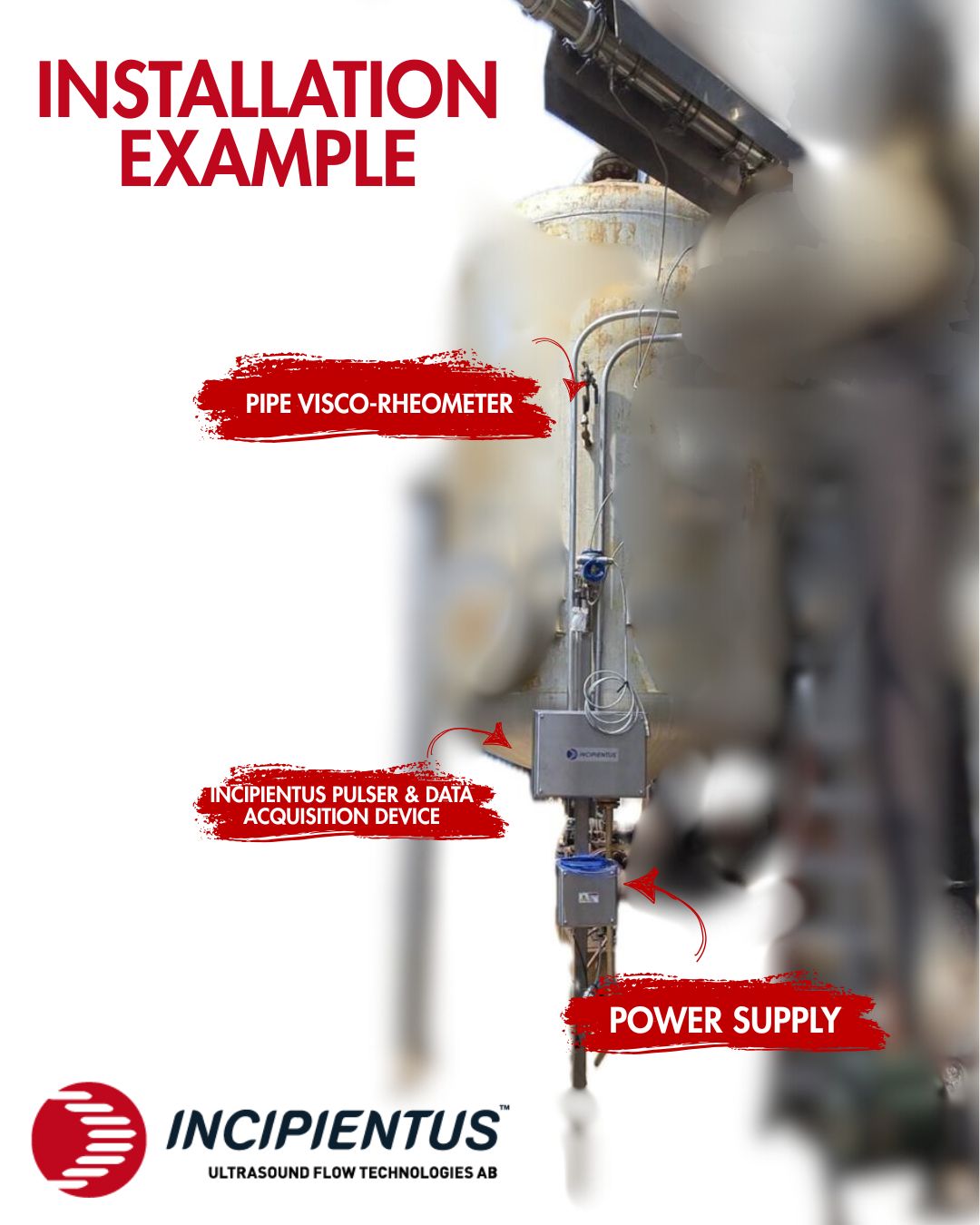
Outside Tank
Problem
External tank surfaces can be exposed to splashes, drips and airborne product residue. Over time this buildup can affect hygiene around access points, fittings and surrounding structures and can make routine inspection and maintenance more difficult.
Solution
Scheduled external cleaning helps prevent residue accumulation and supports a clean, professional production environment.
- Loosen dried product residue.
- Apply suitable surface cleaning agents.
- Focus on fittings, manways and support structures.
- Rinse and visually inspect surfaces.
Potential Savings
- Lower cross-contamination risk.
- Reduced corrosion and surface deterioration.
- Easier inspections and maintenance.
- Improved overall hygiene control.
- Reduced compliance-related risk.
Interested in an installation for your process?
Speak with Incipientus about integrating real-time inline rheology measurements into your production environment.